





Where do you want to display your template?
Theme Builder and display conditions
Templates for headers, footers, posts and archives, shown only where they belong.
One change updates every page, and new pages launch consistent.

Designed and built inElementor
Your WordPress site already runs Elementor, so your next landing page shouldn't need a new tool or a place in the developer queue. I write, design and build it in Elementor, with global styles, popups and forms set up properly, and track what it brings in.


Short answer
Yes: Alex Peric writes, designs and builds landing pages and WordPress websites directly in Elementor, using global styles, Theme Builder templates, popups and forms that pass the ad source to your CRM, then tracks and A/B tests them so you can see which page brings more leads.
Who hires me for Elementor
Built in Elementor
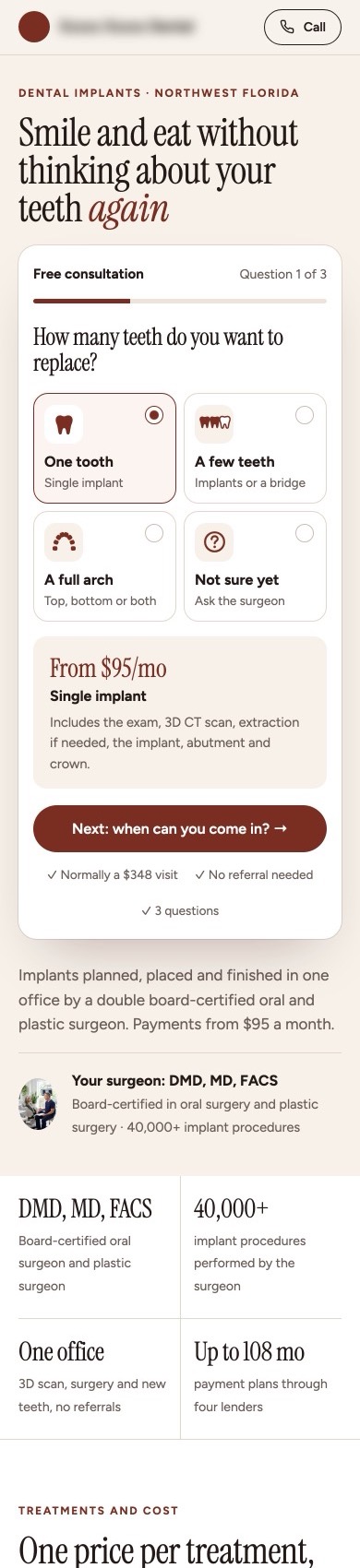
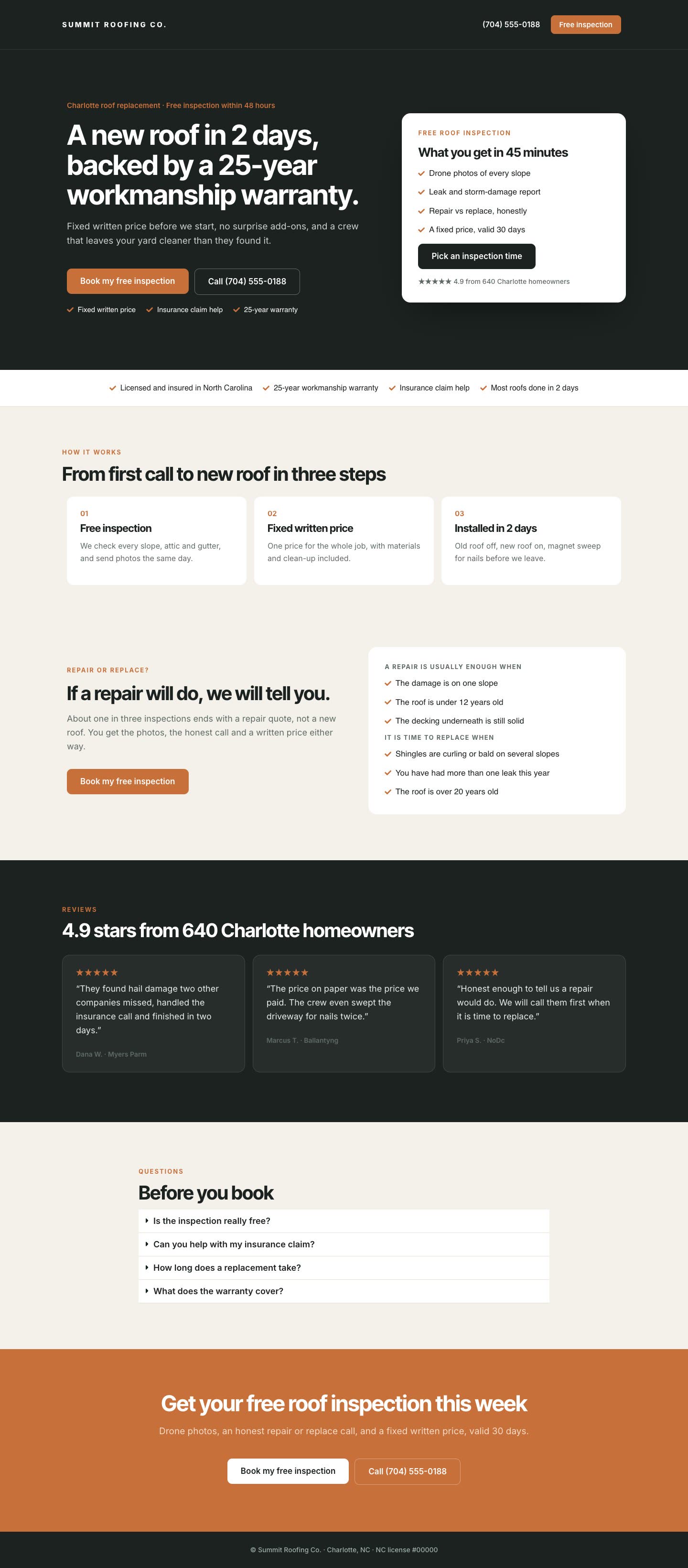
Roof replacement in Charlotte: copy, layout and build in Elementor, on desktop and phone. Pick a part of the page to see why it's there.


Elementor features
The settings that decide whether an Elementor page brings leads. Click through them the way you would in the editor.
Site settings
Where do you want to display your template?
Templates for headers, footers, posts and archives, shown only where they belong.
One change updates every page, and new pages launch consistent.
Global colors
Global fonts
A small design system set up once in the site settings, using Elementor's newer classes and variables where the site supports them.
Pages stay on brand, and the site stays lighter and faster.
Exit-intent, scroll-depth and timed popups, shown on the right pages and hidden from people who already converted.
Leads from visitors who would have left, without hurting the experience.
Hidden fields
utm_source = googleutm_campaign = roof-replacement
Actions after submit
Short forms that send leads to your CRM or email tool, with hidden fields for the ad source and a redirect to a thank-you page.
Every lead arrives with where it came from.
{{ post_title }} one template, a page for every location
Case studies, products, locations or team members pulled from WordPress data and custom fields.
Content pages that scale without hand-building each one.
Old nested layout
Containers
Containers instead of nested sections, only the widgets a page needs, optimized images and caching.
Faster pages, which matters most for paid traffic on phones.
Figma optional
Elementor is a visual builder, so the design can be made where it will live. I go from copy and wireframe straight into Elementor, using your global colors and fonts, and you review the real page on a staging link. No Figma file to approve first and then rebuild.
The usual way
Four handoffs, and each one loses a little of the idea.
With me
No handoffs. You review the real page on a staging link, not a picture of it.

Need Figma for brand sign-off or a design system? I'll design there first and build it in Elementor after.
What I build
Researched, written, designed and built by me, then published on your WordPress and domain.
Monitor and optimize
After launch I make sure each lead is traced back to its ad, then improve the page using what visitors actually do.
GA4 and Google Tag Manager on forms, popups and thank-you pages, with UTMs saved on each lead.
Microsoft Clarity on the landing pages that get paid traffic.
Variants built in Elementor and split with a WordPress A/B testing plugin or your testing tool.
Core Web Vitals checked after every change, since slow pages waste ad spend.
Submissions Free inspection form
Example data. Every lead carries the ad, campaign and page it came from, so the report can say which page earns the most.
Proof
The page before and after, every change and why, and what the A/B test showed. Brand names are hidden at the clients' request.
After
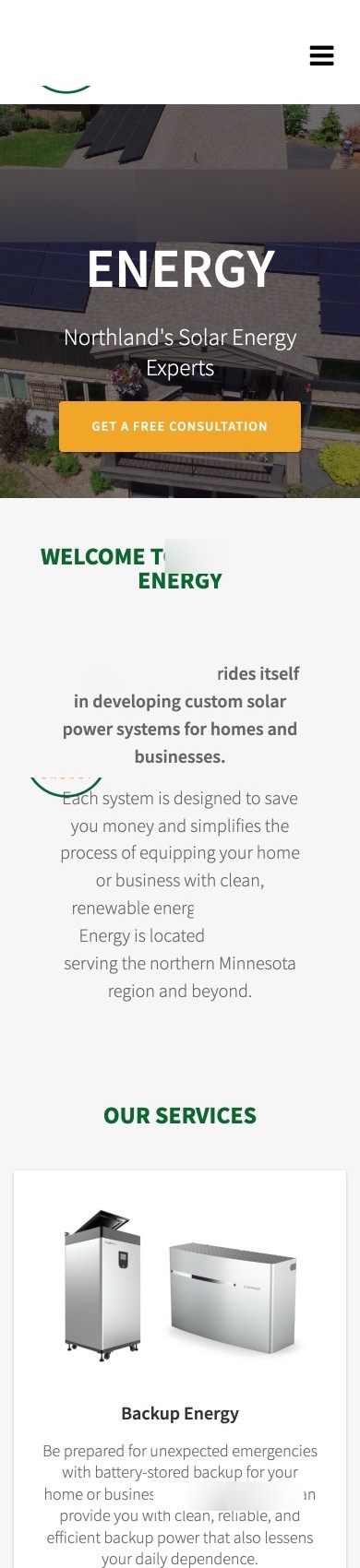
A northern Minnesota solar installer sent Meta ads to a homepage that led with its name and kept its only form at the bottom. I put a four-step estimate on the first screen and built the page around winter, outages and rebates.
After
An implant practice sent paid ads to a 24,500-pixel page with its pricing questionnaire 13,000 pixels down. I moved a three-question consultation quiz to the first screen and gave every treatment one checkable price.
After
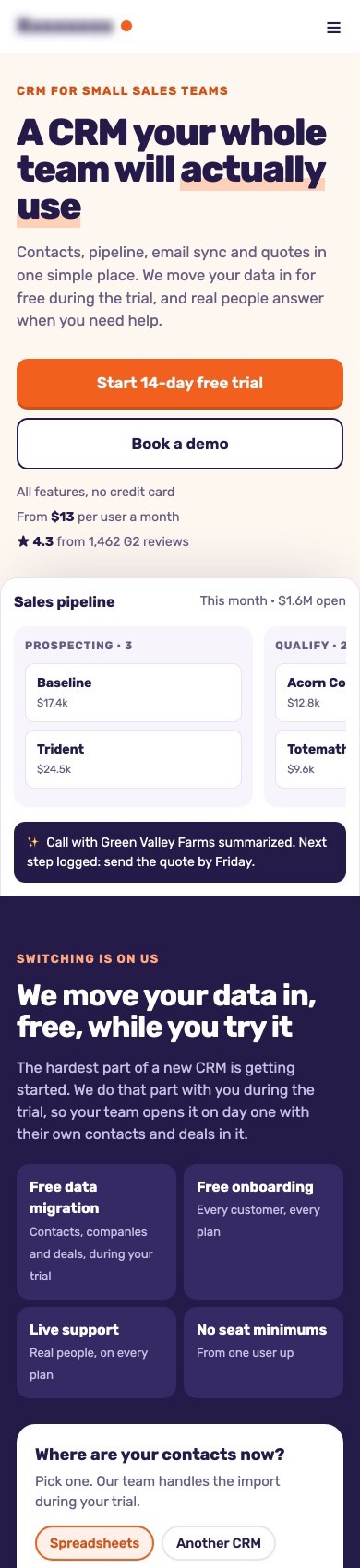
A small-business CRM opened with "Save time. Close deals." and hid free migration and live support 10,000 pixels down. I led with the team-adoption worry, put free switching right after the hero, and rebuilt the signup around "what happens to my data?".
Aleksandar reviewed my paid campaign, ad creatives, and landing page. He delivered a clear analysis with weak points and followed up with a new design and copy. The result was a 27% increase in conversion rate. That uplift allowed me to scale the campaign. I increased the budget, and it's now performing better than ever. If you need someone who truly understands CRO and conversion design, Aleksandar's your guy.
[Alex] was the lead on our content and web redesign strategy. He is an expert in the creation of lead-generation landing pages. And, has a keen understanding of audience behaviors. Having this knowledge and experience contributed to launching an effective business website.
About me
I'm Alex Peric, a CXL-certified conversion designer. I research why visitors don't convert, write the copy, and design and build the fix directly in Elementor and the other page builders my clients use. Then I set up the tracking and the A/B test and tell you what the change earned in sales or leads.
See all case studies, the page builders I work in, my LinkedIn, or book a call.
FAQ
Yes. I write the copy and wireframe, then design and build directly in Elementor with your global styles. You review the real page on staging, and I can still start in Figma if your team needs it.
For most conversion work, yes: Theme Builder, Popup Builder, the Form widget and Loop Grid are Pro features. I'll tell you if your site can do without it.
It doesn't have to be. Containers, global styles, fewer add-on plugins, optimized images and caching keep Elementor pages fast. I check speed after every build.
Yes. I build the variant in Elementor and split traffic with a WordPress A/B testing plugin or your testing tool, then report the result in leads or sales.
Elementor is easier for teams to edit and has the biggest ecosystem. Bricks outputs cleaner code and is often faster. I build in both (see Bricks) and usually recommend staying with the one your site already uses.
Let's talk
Send me the page. On the call I'll tell you what I'd fix first, what it could move, and whether I'm the right person for it.